Verify the Chronological Sequence
The most effective way to catch a missing statement is to maintain a simple, physical or digital checklist of every statement period. Start by laying out your statements chronologically. Look for any skipped months or gaps in the statement end dates. A statement ending on the 30th of March should logically be followed by one starting on the 1st of April. If you notice a two-month gap or an inconsistent end date, you have likely missed a document.
Cross-Referencing Bank Transaction History
When paper statements are missing, your online banking portal becomes your best ally. Filter your account transaction history by the date range you suspect is missing. Download your digital activity reports for those specific dates and compare them against your ledger. Even without the official statement, the raw transaction data often reveals if there was activity during the period you thought was empty. This practice ensures your records capture every financial interaction, regardless of whether a physical statement reached your mailbox.
Related Articles

The Unmatched Payment Case Study
Learn how to solve balance discrepancies by breaking down mismatched figures.

Resolving a Duplicate Entry Scenario
Techniques to identify and eliminate double-counted entries in your register.
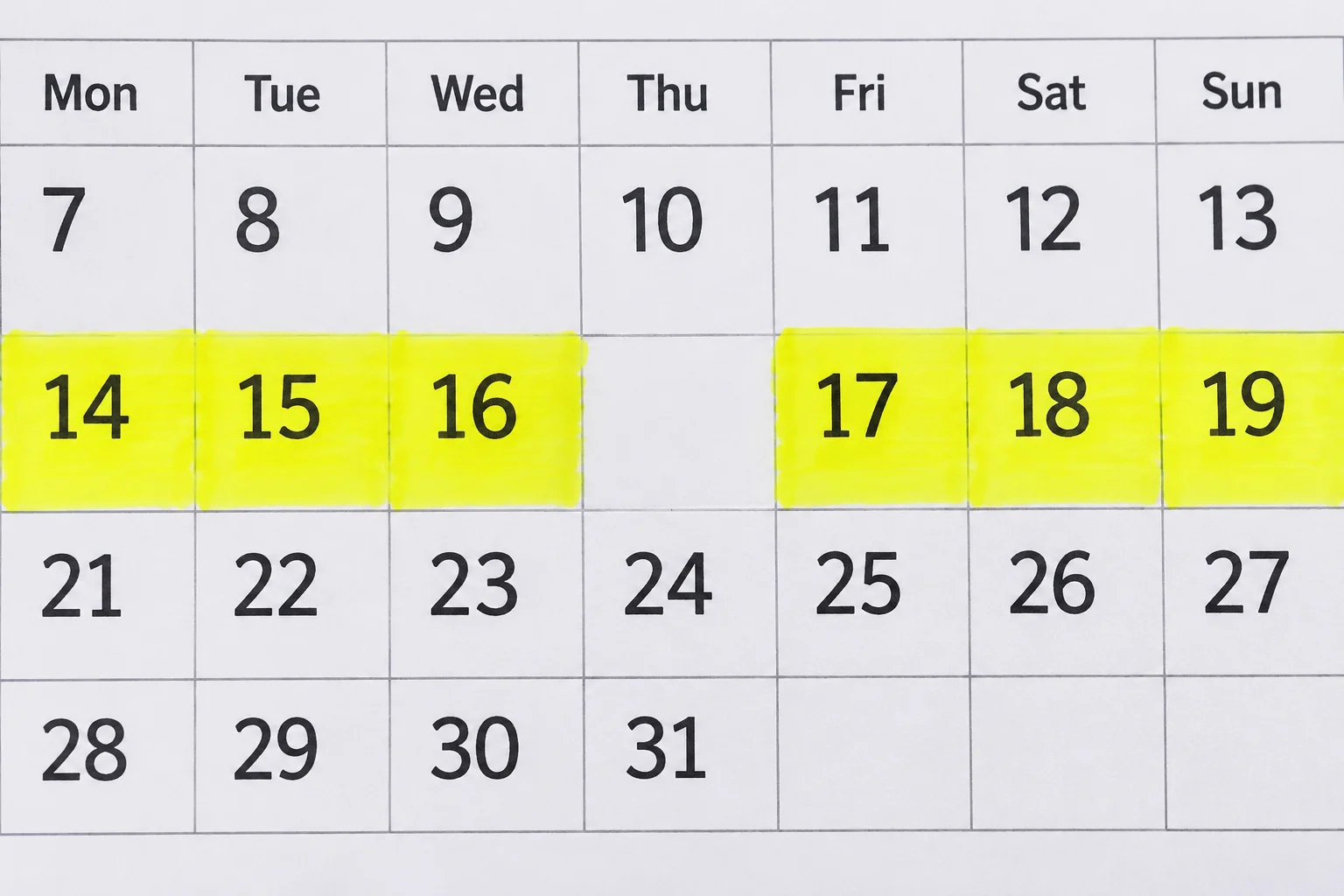
Identifying Missing Statement Dates
Effective strategies for finding gaps in your historical bank records.